

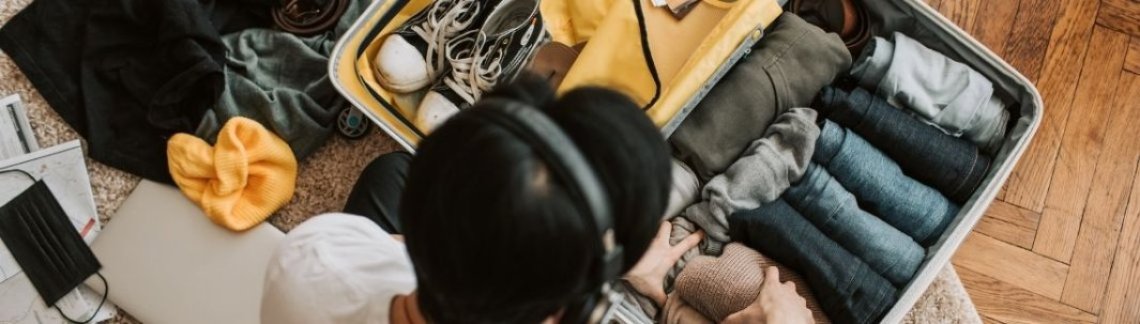
It can be tricky to know what to pack for a trip to a new-to-you destination. This is especially true for winter tours if you are not used to snow or freezing temperatures. No matter where you are headed in the Nordics or Baltics, the following information will help you with your packing list.
If you are joining a self-guided tour that includes trains, boats and/or buses, we recommend bringing either a wheeled suitcase or backpack, as these are easier to manage while travelling between destinations. Choose suitcases with sturdy wheels as there are many cobblestone streets in the Nordic and Baltic cities. A small backpack or daypack is essential for daily excursions.
Please note that each traveller is responsible for their own luggage and must be able to lift and handle it independently, including when boarding trains or other public transport.
Pick luggage that is appropriate for your destination and the season of your trip.
On our self-guided tours, you are responsible for handling your own luggage throughout the journey. Please bring only what you are comfortable carrying and managing yourself.
For guided coach tours, each person may bring one suitcase, which will be securely stored in the luggage compartment under the coach during transportation. In addition, you may bring one piece of carry-on/hand luggage to keep with you on the bus.
We also recommend checking directly with your airline regarding baggage size and weight restrictions.
Most hotels have a luggage room where you can store your bags before check-in and after check-out. Please note that luggage is stored at your own risk, so we recommend keeping all valuables with you.
All hotels and unique accommodation provide basic toiletries (shampoo and soap) and hairdryers. Irons and ironing boards can usually be borrowed from the reception. For other amenities, please refer to the respective hotel's webpage.
Yes. Bigger cities have excellent outdoor shops, clothing stores and pharmacies. However, prices can be high.
Yes, most hotels offer laundry services for an additional fee. Most cities also have self-service laundromats.
No. Nordic countries are very casual. Smart casual is more than enough, even for nice restaurants.
We recommend bringing comfortable, water-resistant walking shoes, as you are likely to spend a lot of time on your feet. It is a good idea to pack a second pair of shoes in case one pair gets wet.
Summer in the Nordics and Baltics can range from mild to surprisingly warm, but weather can change quickly and temperatures vary greatly over the course of a day. Therefore, layering is key. We recommend packing T-shirts and light tops, light sweaters or fleece for the cooler early mornings and evenings, a waterproof jacket, a light scarf for cooler days and comfortable trousers or jeans. Check the weather forecast closer to your departure date to see whether you will need true summer clothing, such as shorts and sandals.
We recommend bringing rain gear in case of summer showers, especially in Norway and Iceland.
If you are visiting the fjords or Iceland, windproof clothing is strongly recommended due to exposed and windy conditions.
Remember sunglasses, a hat and sun protection. Sunlight is intense this time of year throughout the region, particularly during the midnight sun period in the northernmost regions such as Lofoten and Lapland.
Temperatures can vary widely, typically ranging between 5–15°C (41–59°F), so it is important to dress in layers. We recommend bringing a warm sweater, an insulated jacket (such as a lightweight down jacket), a waterproof outer layer, gloves and a warm hat (particularly in April and October when conditions are cooler). Waterproof shoes are strongly recommended to keep your feet dry and comfortable. Weather conditions can change quickly, especially in the coastal areas of Norway.
The sun sits low in the sky during this time of year, so sunglasses and/or a brimmed hat are recommended.
Winter travel, especially to Lapland, requires thorough preparation for very cold conditions. In southern parts of Scandinavia, temperatures typically range from 0 to -10°C (32 to 14°F), while in Lapland they often fall between -10 and -30°C (14 to -22°F), and can occasionally drop even lower. Dressing properly is essential, and layering is the key to staying warm and comfortable.
Start with a thermal base layer, preferably made of wool, including a long-sleeved top and thermal bottoms and wool socks. Over this, add a warm middle layer, such as a fleece or wool sweater, and insulated trousers if you plan to spend extended time outdoors. Your outer layer should consist of a heavy winter jacket, either down-filled or well insulated, combined with water- and windproof pants. Accessories are equally important: A warm hat that covers the ears, insulated gloves or mittens, a scarf or neck warmer, and thermal winter boots rated for at least -20°C will help keep you warm in Arctic conditions.
For additional tips, please see What to Pack for Lapland in Winter – Packing List & Tips.
For Arctic activities such as dog sledding, snowmobiling and Northern Lights excursions, suppliers often provide essential outer gear, including a thermal snowsuit, boots, gloves and a helmet (when required). However, it is still important that you bring proper base and middle layers, as these will ensure you stay warm and comfortable throughout the experience. You may prefer to bring your own mittens and hat for the best comfort and fit. We recommend wearing the snowsuit over your own clothes for extra protection against the cold and to prevent your own clothes from getting damaged or dirty during activities.
Included outdoor gear rental (if applicable) will be specified on the optional experience page, as well as in your tour confirmation and travel documents.
For certain winter tours, winter outer gear is included for the duration of your stay. Please see the ‘services included’ section on the tour page for further details.
For the overnight, you will be provided with sleeping bags suitable for keeping you warm in freezing temperatures. We recommend wearing a long wool base layer, warm socks and a hat, and keeping an additional layer handy for extra warmth if needed.
Winter outdoor clothing, including a thermal snowsuit and boots, is included during your stay.